What First-Time People Should Find Out About Alcohol And Drug Rehabilitation


Material By-Simpson Pacheco
If you're thinking about alcohol or drug rehab for the first time, it's all-natural to really feel unpredictable regarding what exists ahead. Comprehending the rehabilitation procedure can alleviate those nerves and assist you plan for the journey. From the preliminary analysis to the numerous treatment choices, understanding what to expect can make a considerable distinction. So, what should you be aware of as you take this important step towards healing? Let's check out the crucial facets together.
Comprehending Various Kinds Of Rehab Programs
When checking out rehab choices, you'll locate numerous types of programs tailored to various needs. Recommended Reading has distinct functions designed to attend to specific difficulties.
For instance, inpatient rehab uses an organized setting where you'll live on-site, giving 24/7 support. Outpatient programs enable you to maintain everyday duties while obtaining therapy, making it a flexible alternative for numerous.
You may additionally run into detoxification programs that focus only on safely managing withdrawal signs and symptoms. Some centers include all natural methods, combining conventional treatments with alternative approaches like yoga exercise or meditation.
Understanding your individual circumstance and preferences can assist you pick the ideal program. Eventually, selecting a program that reverberates with you is important for accomplishing long-lasting healing success.
What to Expect During Your Very First Days
Your initial days in rehabilitation can really feel frustrating, however understanding what to expect can relieve the transition.
You'll likely check in and undertake a clinical evaluation to determine your needs. This is a vital step, as it assists the personnel create a tailored plan for your recuperation.
You could meet fellow people and get a trip of the facility, which can aid you feel a lot more secure. Expect to participate in orientation sessions that explain the daily routine, regulations, and available sources.
You might experience withdrawal signs, so the staff will check you very closely for your safety.
The Duty of Treatment and Therapy
Therapy and therapy play an essential duty in your healing trip, assisting you address underlying issues that contribute to material use. Engaging in private treatment permits you to explore individual difficulties, injury, or psychological health problems that may drive your addiction.
Through these sessions, you'll gain valuable insights, create dealing approaches, and learn much healthier means to take care of stress and anxiety and emotions.
Group counseling offers a supportive environment where you can share experiences and connect with others encountering similar struggles. Hearing their tales can cultivate understanding and lower feelings of seclusion.
Together with trained experts, you'll service structure life skills and developing a strong foundation for lasting recuperation. Accepting therapy and therapy is crucial for transforming your mindset and achieving lasting modification.
Aftercare and Continuing Assistance Options
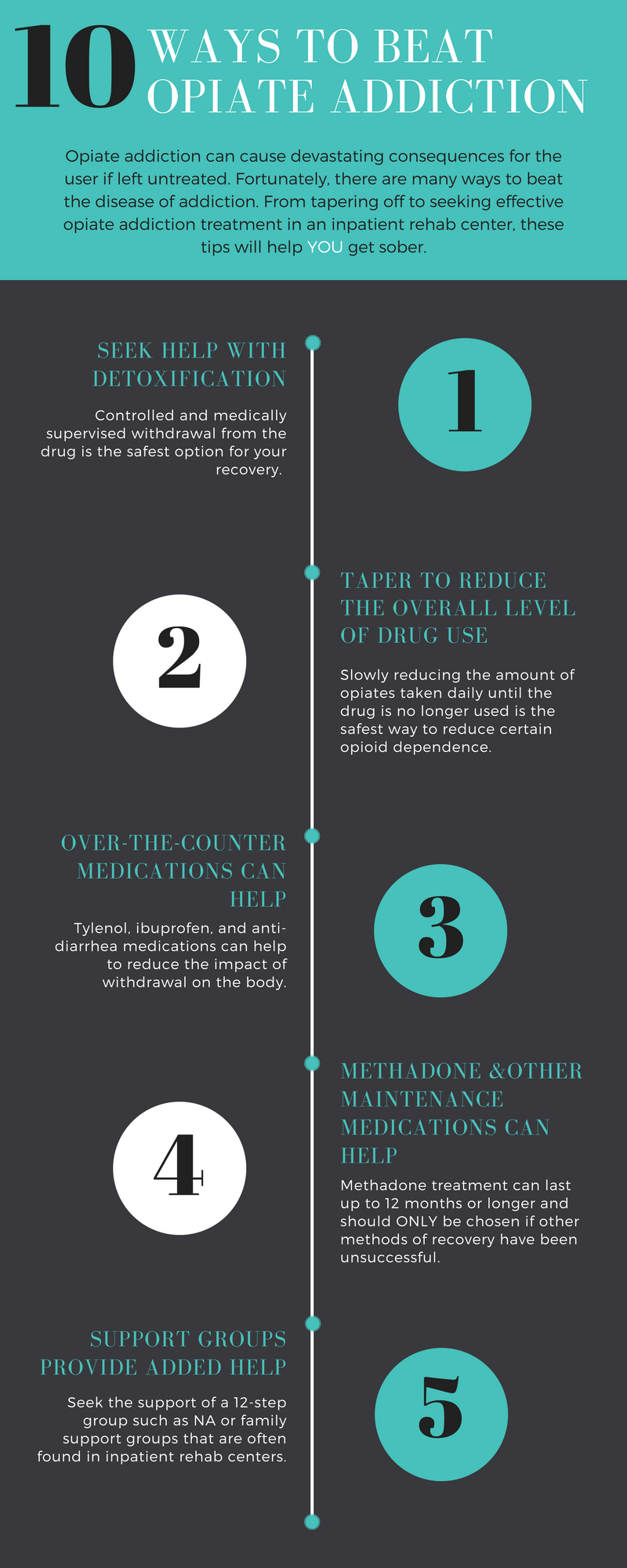
After completing a rehabilitation program, proceeding support is essential for keeping your recuperation. Aftercare services can help you stay on track and stay clear of relapse.
Take into consideration signing up with a support group, like Alcoholics Anonymous or Narcotics Anonymous, where you can connect with others that share similar experiences. Regular check-ins with a therapist or specialist can also provide support as you browse obstacles in your every day life.
Additionally, some programs use graduates services, permitting you to remain connected with your rehab area. Don't underestimate the significance of a solid assistance network; it can make a substantial distinction in your journey.
Conclusion
In conclusion, getting in alcohol and drug rehabilitation can feel frustrating, but recognizing what to expect assists ease your stress and anxiety. By understanding the various types of programs, the initial evaluation procedure, and the significance of therapy, you're far better prepared. Remember, your commitment to healing and participation in assistance networks are essential to your success. Don't ignore aftercare options, as they give critical support as you continue your journey towards lasting recuperation. You're not alone in this!